Designers
Adam James Cavallari, Andrea Alessandri
Year
2026
Category
Product
Country
Italy
Design Studio / Department
21AM
Three questions to the project team
What was the particular challenge of the project from a UX point of view?
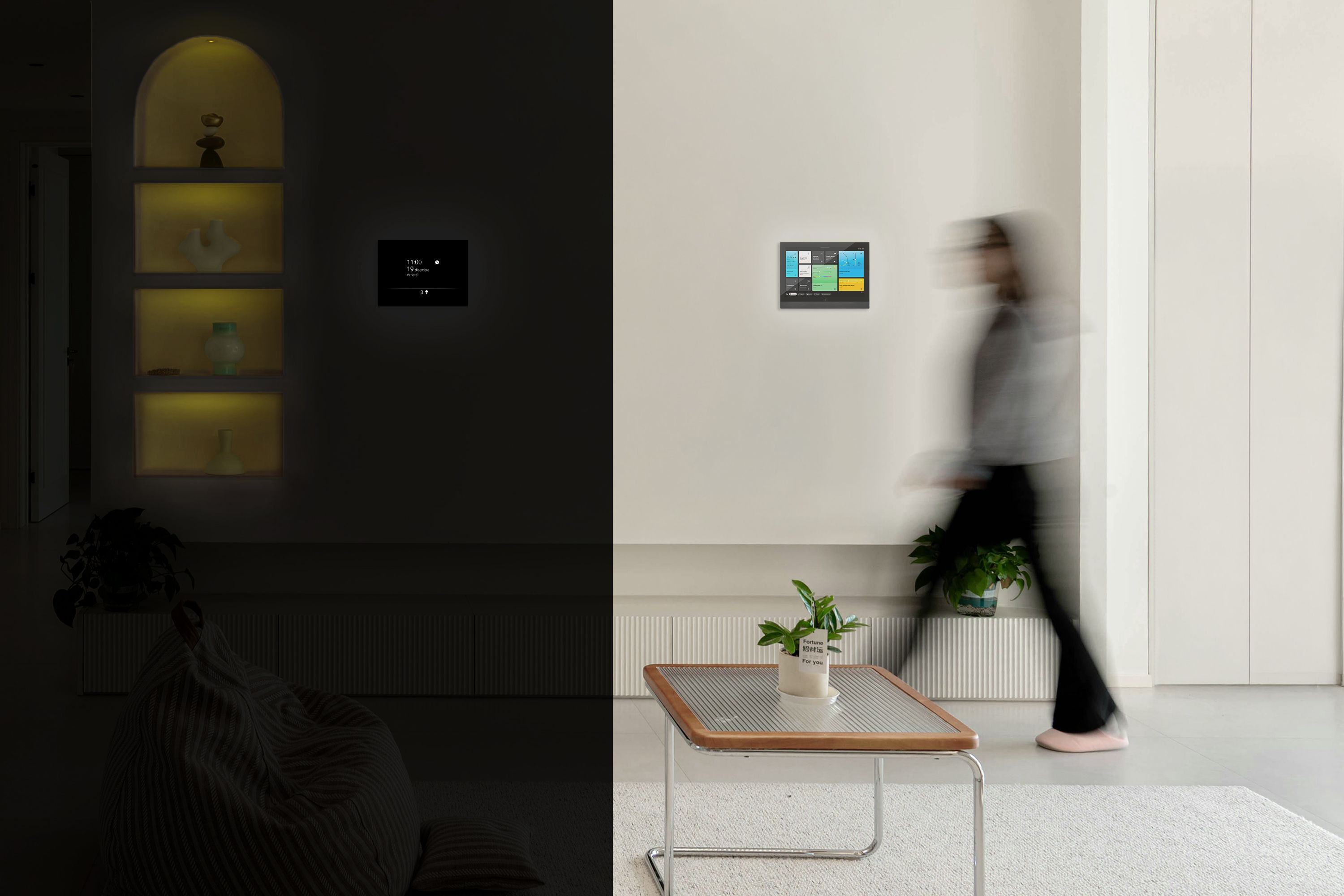
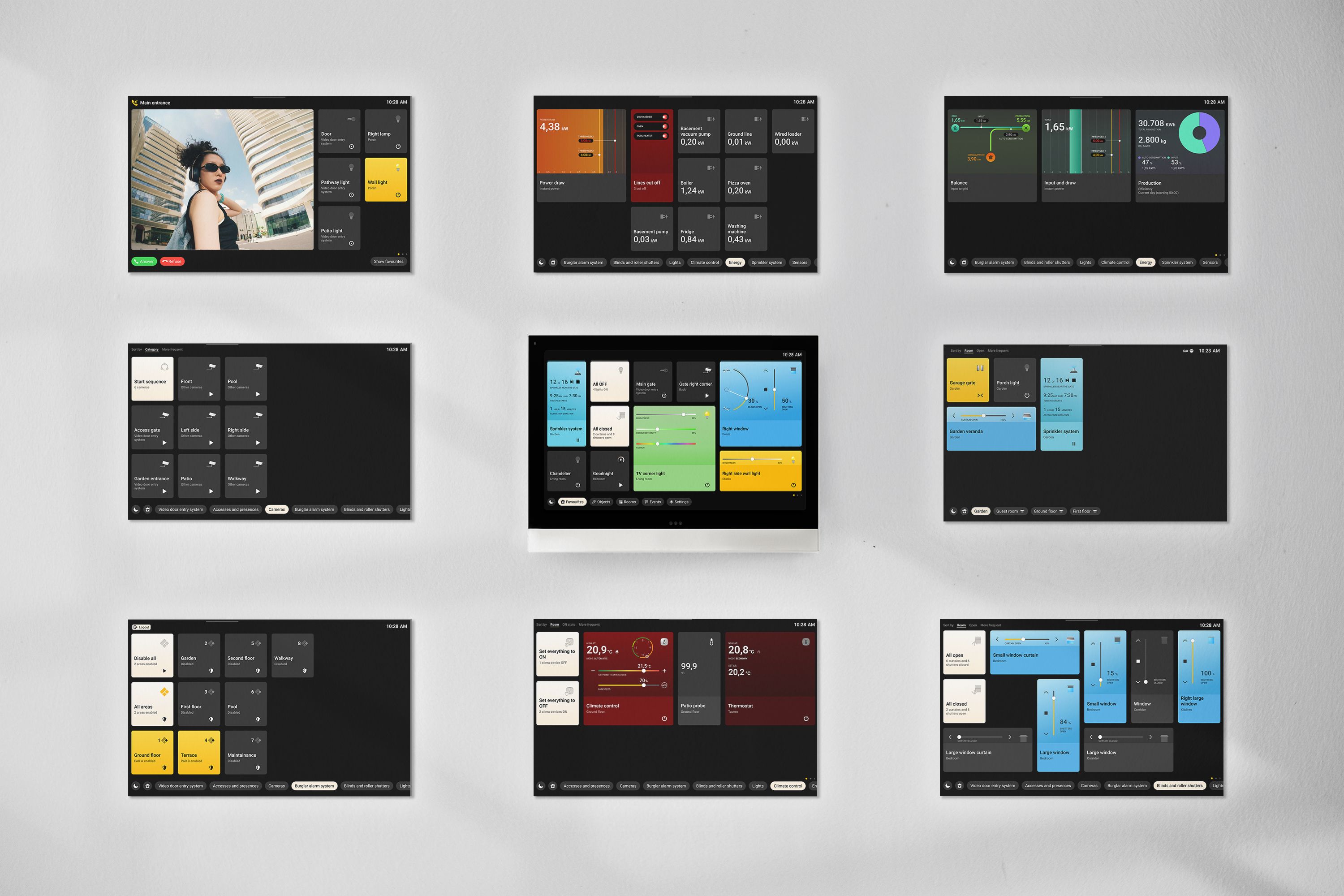
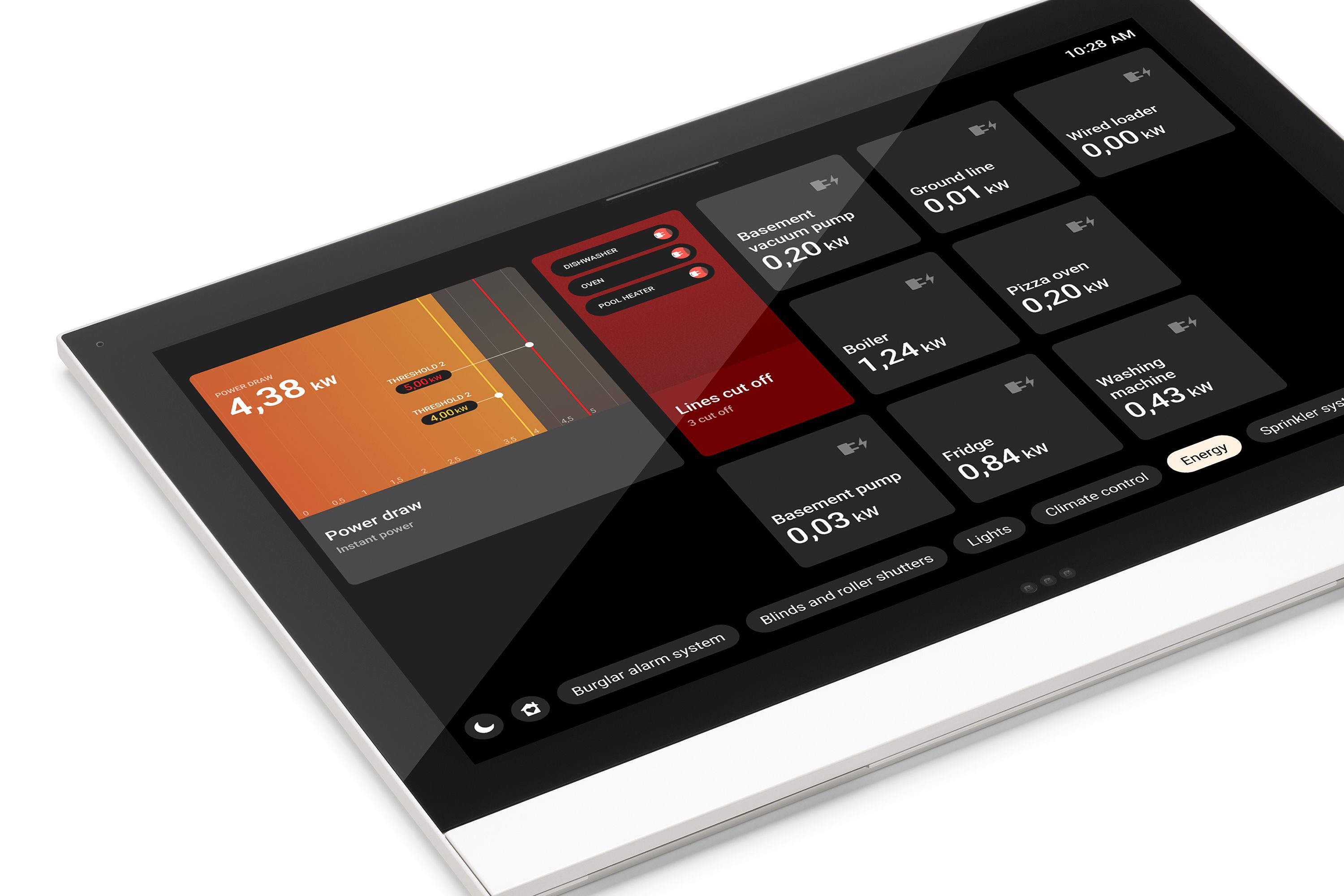
The core UX challenge was addressing the intrinsic variability of smart home systems. Each installation differs in structure and configuration, despite sharing common elements, just as users differ in cognitive models, familiarity, and expectations. The task was to design a highly versatile interface capable of abstracting this complexity while remaining immediately understandable. View Touch had to act as a universal interaction layer: intuitive for first-time users such as guests, yet efficient and customizable for experienced homeowners, ensuring comfort, clarity, and control across all user types.
What was your personal highlight in the development process? Was there an aha!-moment, was there a low point?
The most critical moment was translating a clear UX ambition into a technically viable system without latency. The turning point came when Vimar’s engineering teams maximized proximity sensing and always-on capabilities, while software precisely executed the UX architecture. A key driver was rigorous user testing: we combined facial expression analysis with thinking-aloud protocols to validate and optimize interface design and navigation flows. What started as a 21AM vision became a seamless, high-performance experience, through a true roller coaster of iteration highs and lows.
Where do you see yourself and the project in the next five years?
In the next five years, Artificial Intelligence will inevitably play a role in this domain, but not to redefine the ANTICIPATE concept itself. Our research has shown that users today prefer stability: they expect controls and information to remain where they intuitively look for them. The real opportunity lies in augmenting the system, enhancing context awareness, adapting to usage patterns, and improving scenario responsiveness. However, any AI integration must be rigorously evaluated against performance: responsiveness remains non‑negotiable, especially in constrained network conditions. Every innovation must deliver measurable, user‑perceived value without compromising immediacy or reliability.