Designers
Zihan Deng, Lu Deng, Xia Wang, Weiguang Yu, Lixin Xu, Yueming Zhao
Year
2026
Category
Product
Country
China
Design Studio / Department
Industrial Design Department
Three questions to the project team
What was the particular challenge of the project from a UX point of view?
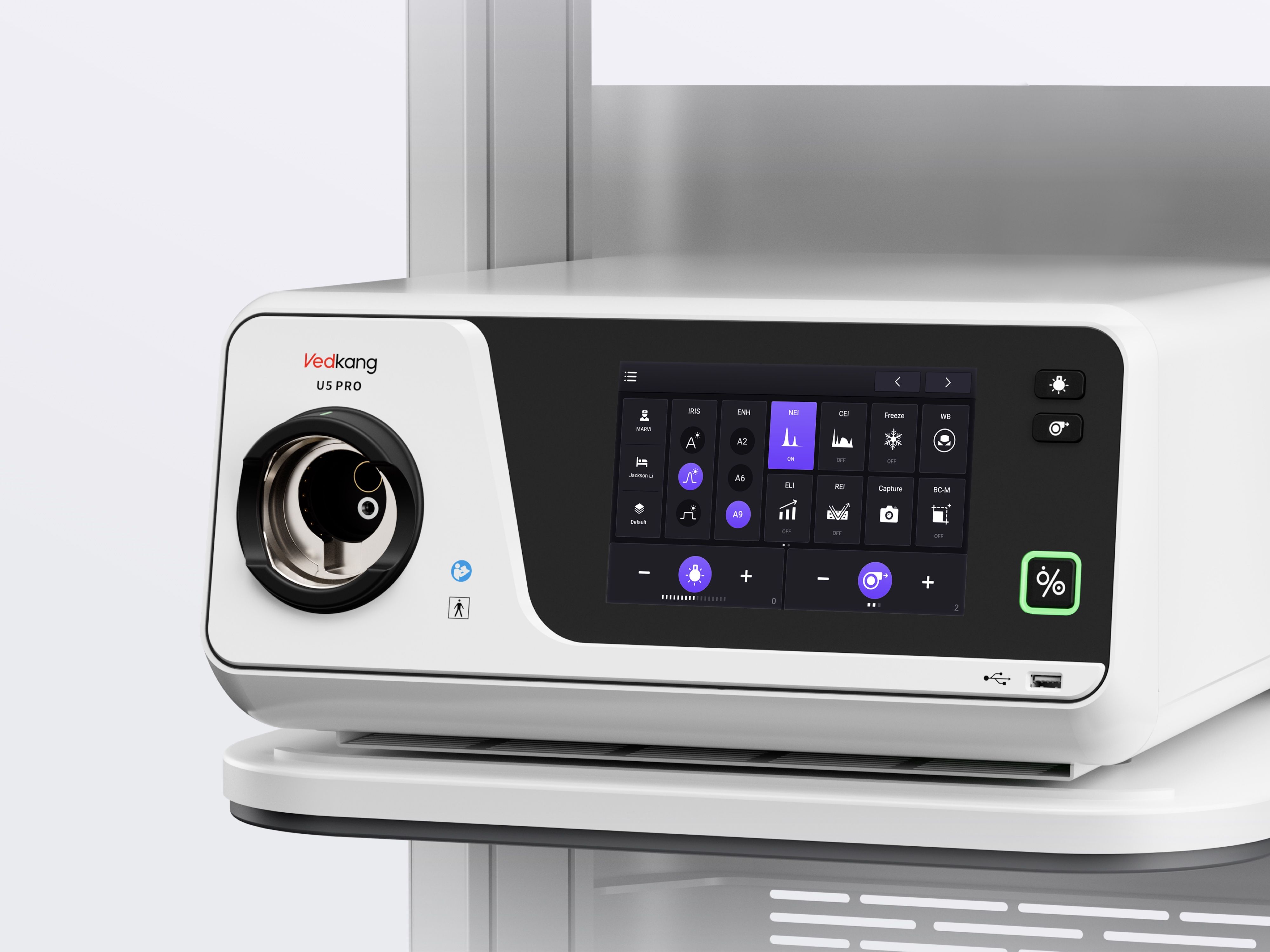
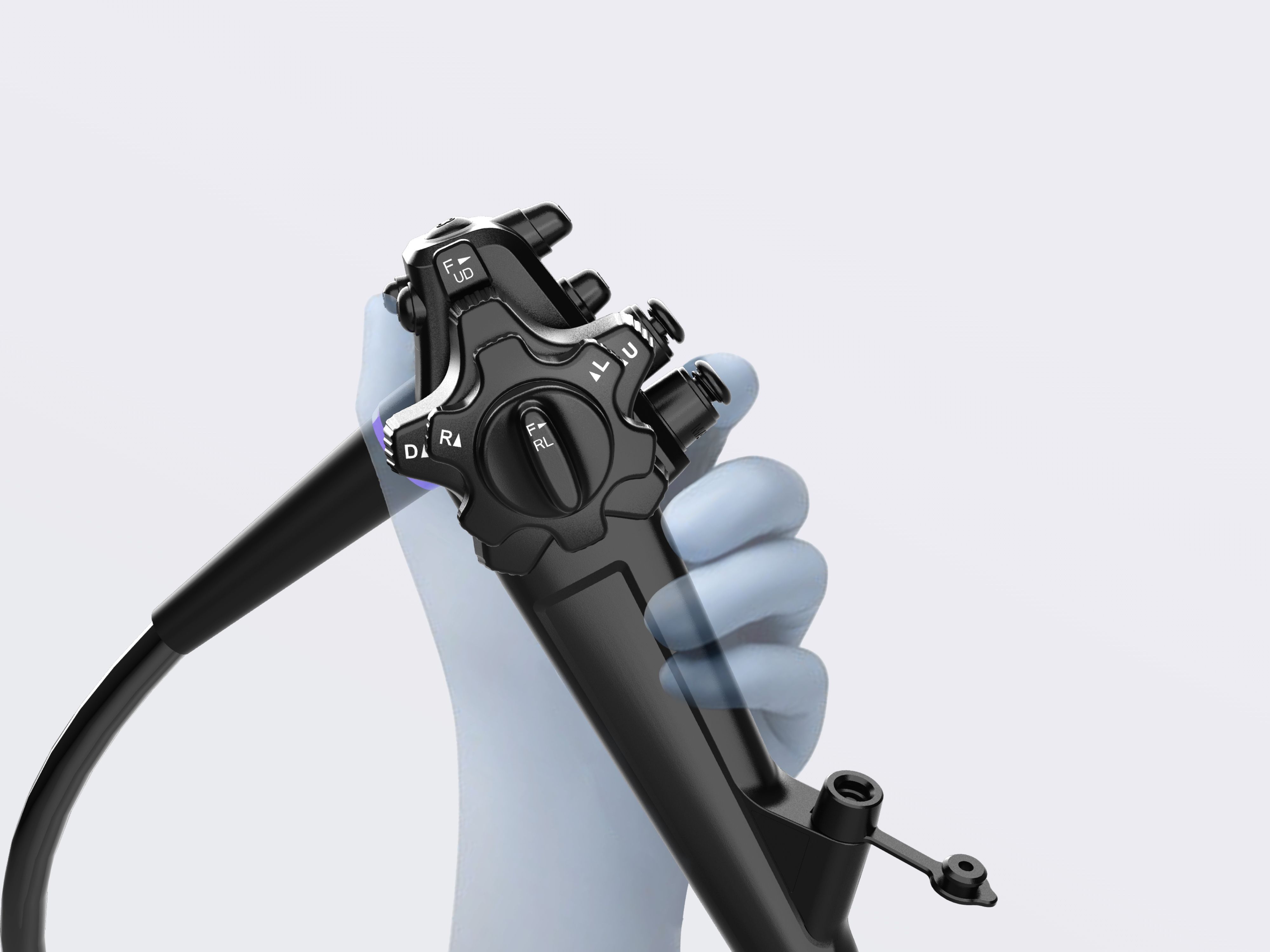
The core challenge of this project lies in how to integrate medical professionalism with ease of use in a high-intensity clinical environment, comprehensively reducing the physiological and cognitive burden on medical staff. On the hardware side, the pain point of hand fatigue caused by prolonged operation for endoscopists needs to be addressed. Furthermore, on the software side, a balance needs to be struck between the professional depth of image processor operation and an intuitive user experience. We started from clinical workflows and ultimately created a system that improves diagnostic and treatment efficiency and optimizes the medical experience for both healthcare professionals and patients.
What was your personal highlight in the development process? Was there an aha!-moment, was there a low point?
A major highlight of the development process was the pleasant surprise feedback from clinicians who tried the prototype, reporting reduced hand fatigue and a more intuitive operation of the image processor. The low point came early in the project; facing diverse user preferences and complex workflows, we struggled to find a universal solution. The real epiphany came from witnessing a doctor struggling to perform surgery while wearing a lumbar support brace. It dawned on us: in the extremely tiring clinical environment, complex functions would only be a burden. Addressing the issue of differing preferences required directly addressing the core pain point of "reducing burden," so we decisively simplified the design.
Where do you see yourself and the project in the next five years?
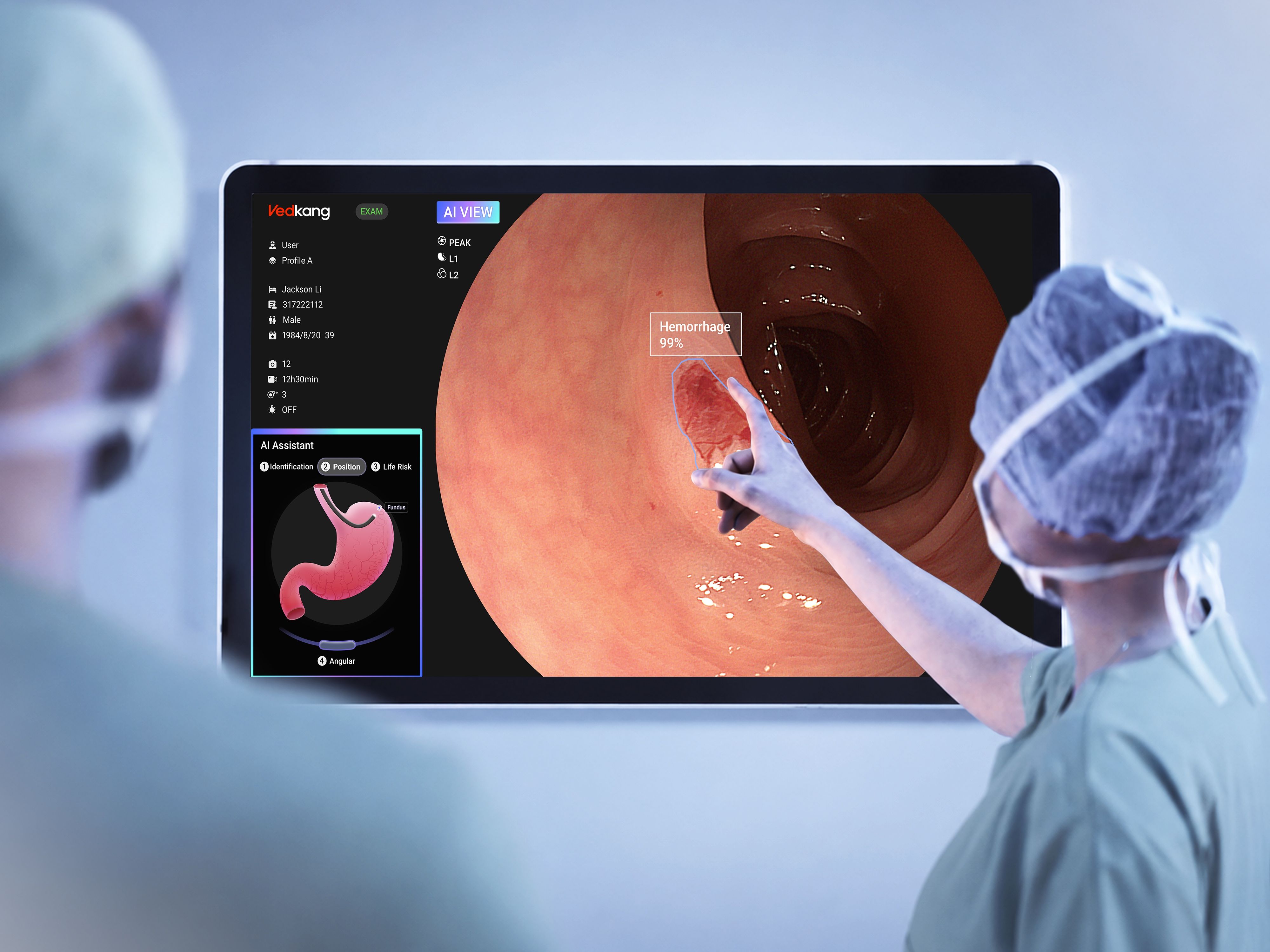
Over the next five years, we expect this electronic gastrointestinal endoscopy system to become a benchmark for endoscopy centers in hospitals. With the deep integration of AI-assisted diagnosis, the system's user experience will shift from passive operation to proactive empowerment. It will not only better adapt to doctors' operating habits but also accurately predict and capture minute lesions in real time, greatly reducing the cognitive load on clinicians. We will continue to deepen our expertise in medical human-computer interaction, making healthcare safer and more efficient, benefiting more medical staff and patients.