Designers
Vincent Ackermann
Year
2026
Category
New Talent
Country
Germany
School
Magdeburg-Stendal University of Applied Sciences
Teacher
Jan Bäse
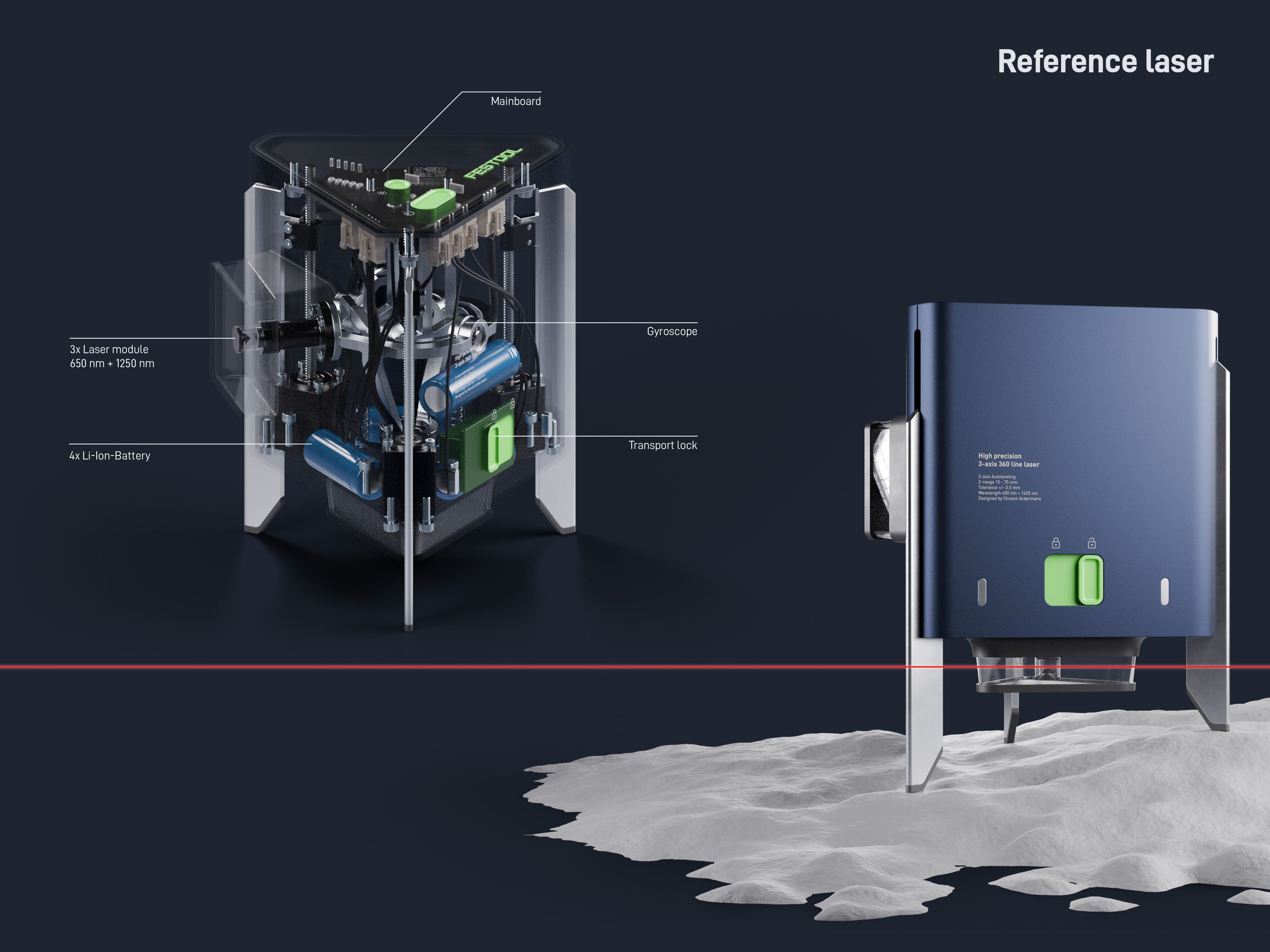
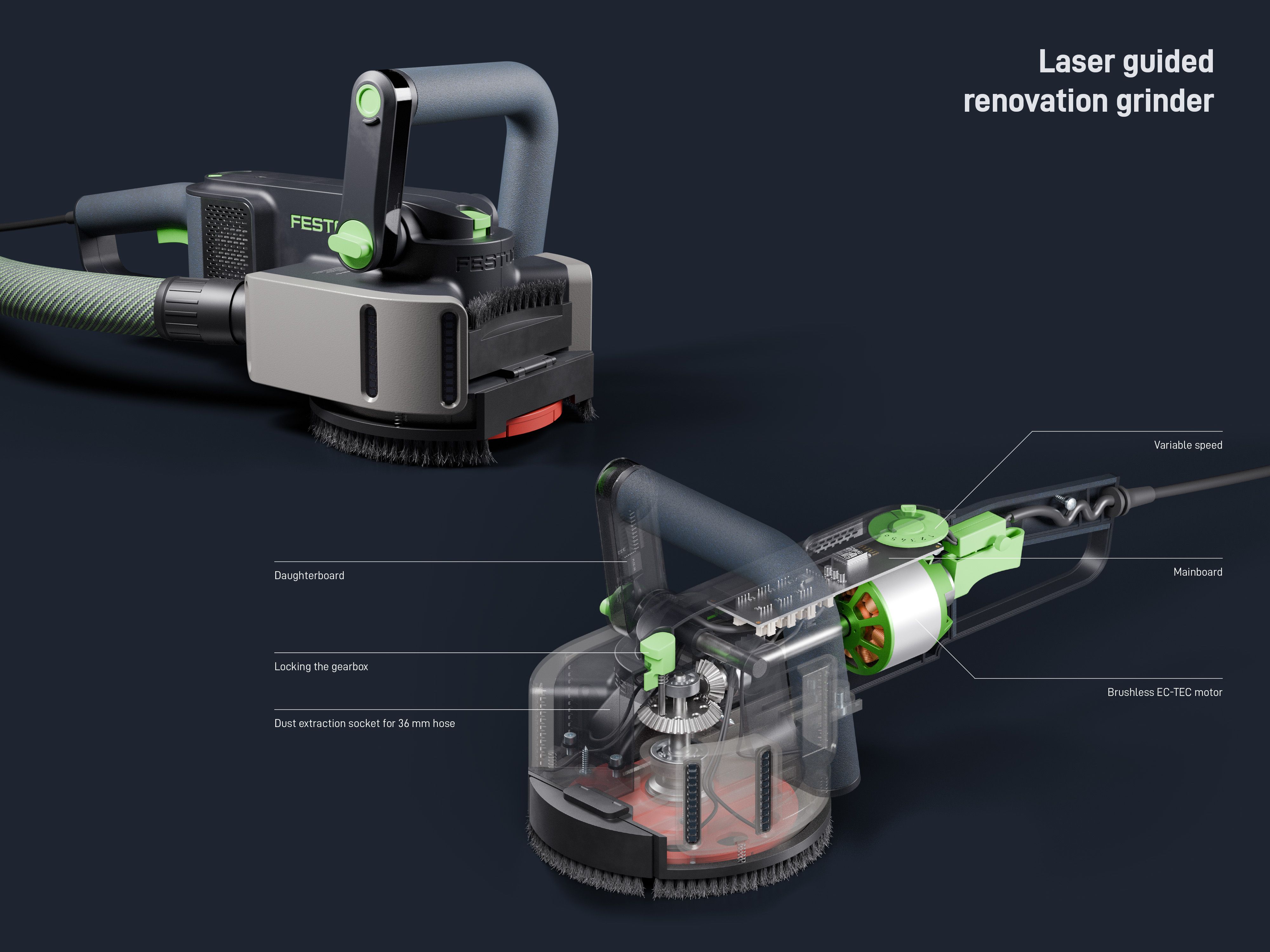
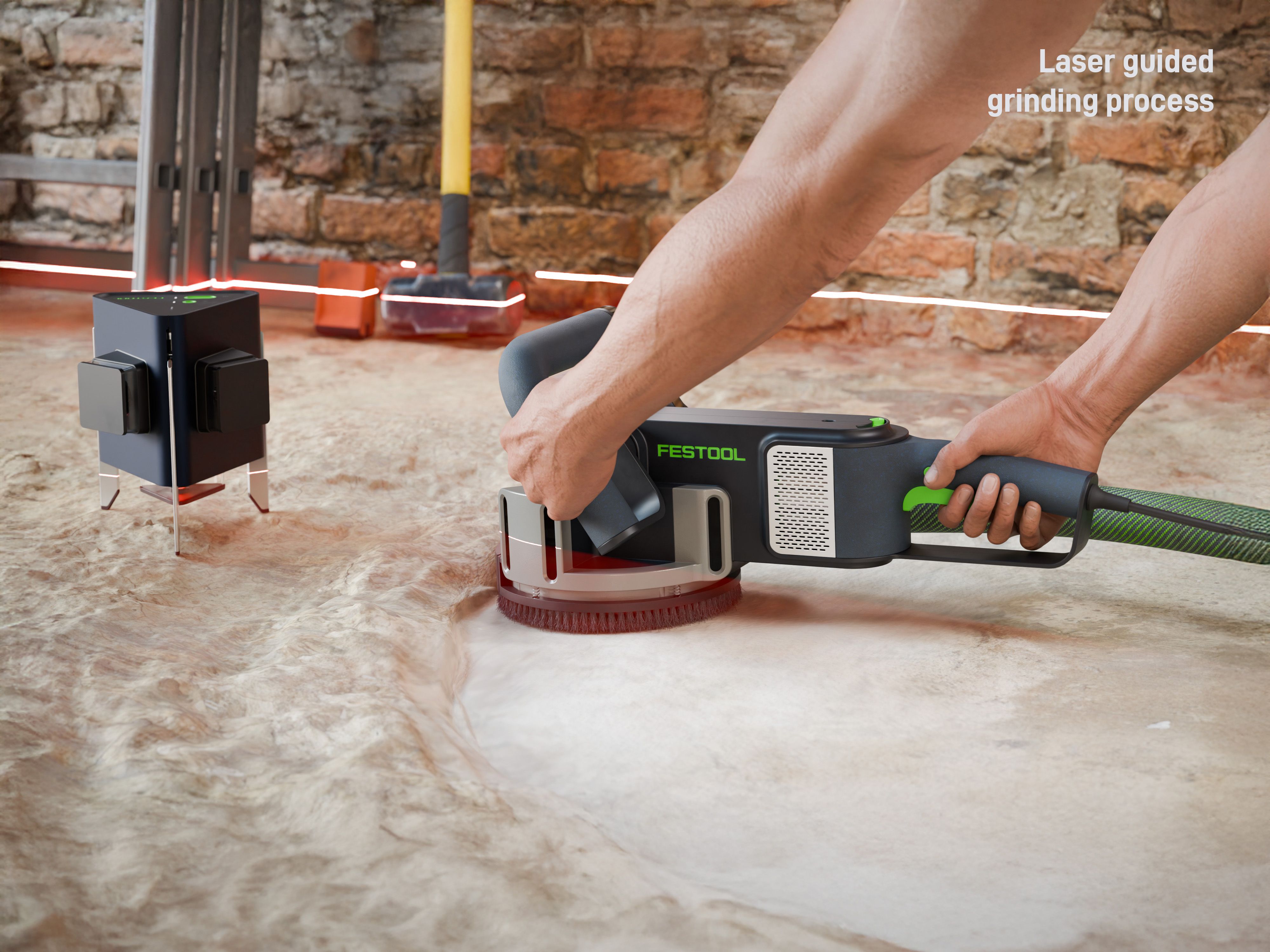
»The jury was convinced by Surfix because it simplifies a traditionally complex process and directly addresses the needs of professional users. It turns several separate steps into a smooth and precise workflow by combining existing tools and technologies into one connected system. The strong interaction between physical tools and digital information is particularly notable. It's a clear example of how intelligent integration can make professional work faster, more accurate, and less demanding.«
UX Design Awards Jury, Autumn 2026
And the award goes to...
Three questions to the project team
What was the particular challenge of the project from a UX point of view?
The central UX challenge was introducing digital guidance into a domain where expertise is built on manual skill and physical intuition. The system had to add precision without disrupting the established flow of work. This shaped the decision to embed feedback directly into the tool rather than adding a separate interface, keeping the interaction minimal, positional, and readable at a glance during active use.
What was your personal highlight in the development process? Was there an aha!-moment, was there a low point?
The clearest insight came from visiting active construction sites and observing how craftspeople actually handle their tools: the grip, the posture, the rhythm. That direct observation shaped many of the core design decisions. The most demanding aspect was integrating the sensor array into a grinder that operates under heavy vibration and dust, without increasing the perceived bulk of the tool.
Where do you see yourself and the project in the next five years?
The goal is to continue developing solutions grounded in real-world observation rather than assumption. Within five years, the aim is to see several completed projects reach the market. For Surfix specifically, the hope is that a professional tool manufacturer recognises the concept as a viable development project, bringing digitally supervised surface work into standard construction practice.