Designers
Alina Zimmermann, Vincent Paul, Vanessa Pieronczyk
Year
2026
Category
New Talent
Country
Germany
School
University of Design Schwäbisch Gmünd
Teacher
Hartmut Bohnacker, Michael Schuster
Three questions to the project team
What was the particular challenge of the project from a UX point of view?
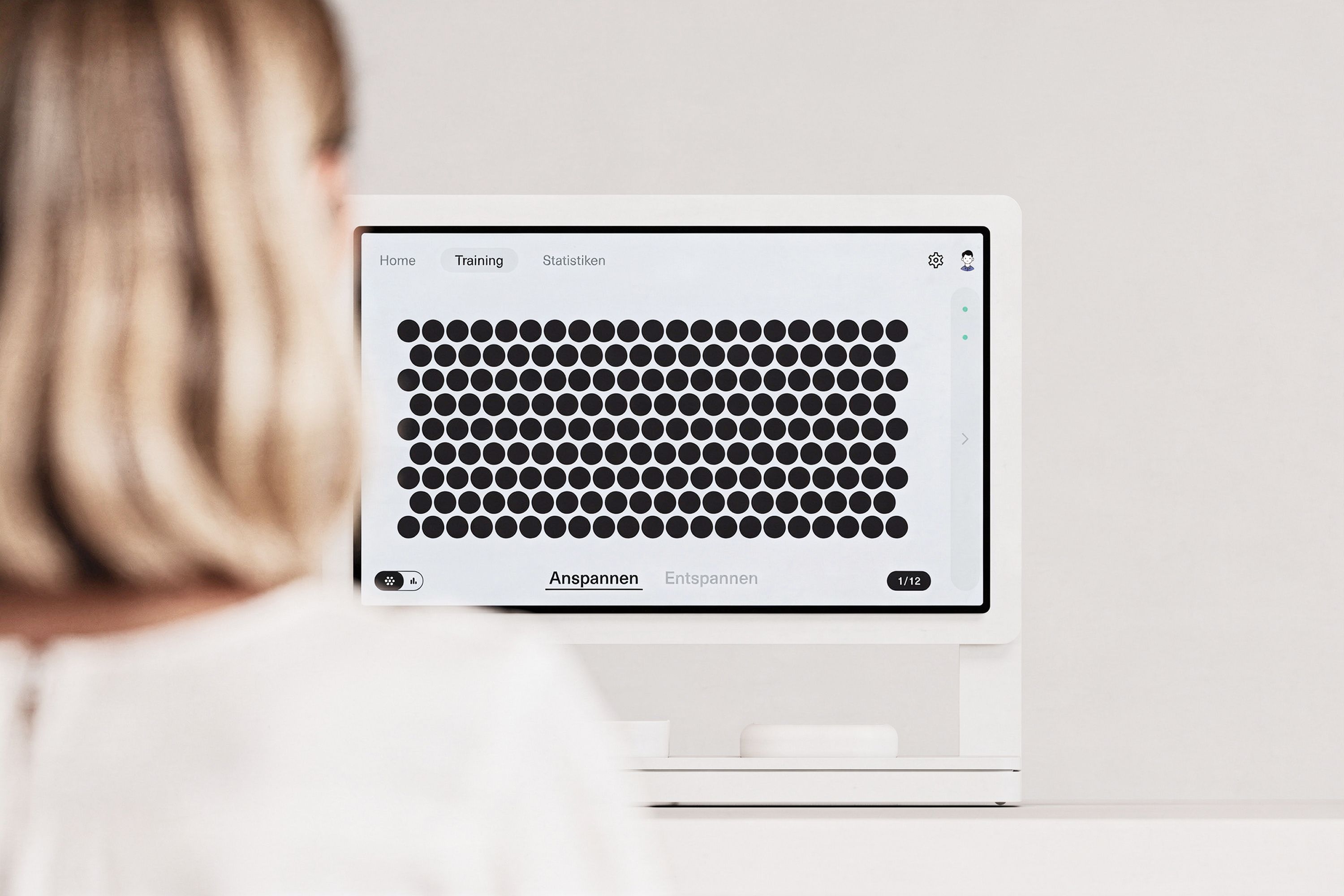
Designing a product and its interactions for people living with an illness comes with challenges across many disciplines including technology, design psychology and human behavior. But from a UX perspective, the biggest challenge was approaching the design with care and humility. One of the questions was finding the right balance between creating playful, engaging interactions and acknowledging the seriousness of the condition. Every UX decision had to be carefully questioned, validated, and iterated to make sure it was both respectful and truly helpful for the people using it.
What was your personal highlight in the development process? Was there an aha!-moment, was there a low point?
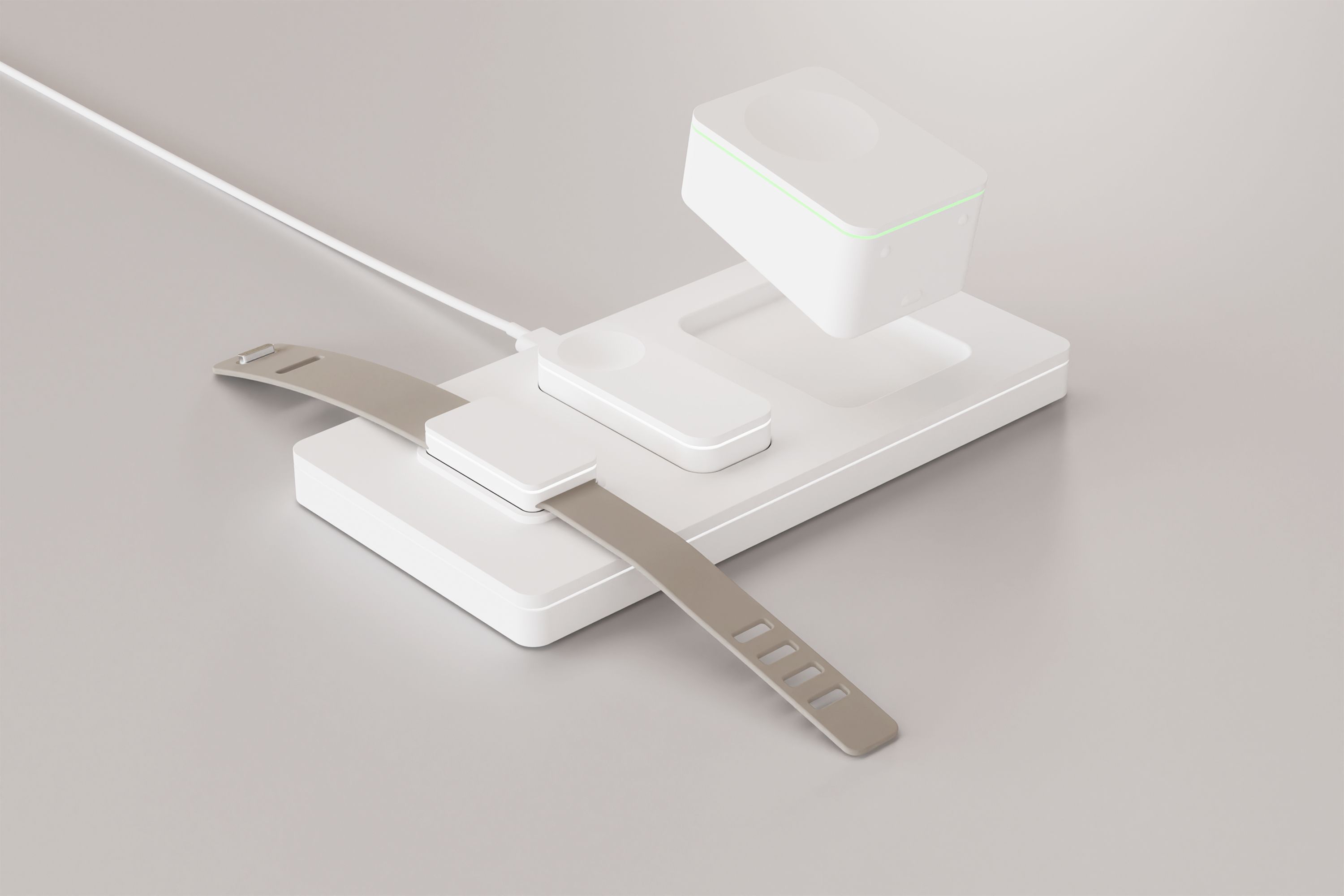
Throughout the project, we were often asked by peers whether it was too bold to rethink a therapy for a home setting as a team of designers. But the more we worked with healthcare professionals and iterated on the concept, the more confident we became. Biofeedback has no harmful side effects, the worst thing that can happen is that it simply doesn't have the desired effect. Often the therapists and clinicians we spoke to came back to the same question: Why has nobody done this before? That became our aha moment. We realized the biggest challenge wasn't convincing people that biofeedback works, it was challenging the assumption that it had to stay in a clinical environment.
Where do you see yourself and the project in the next five years?
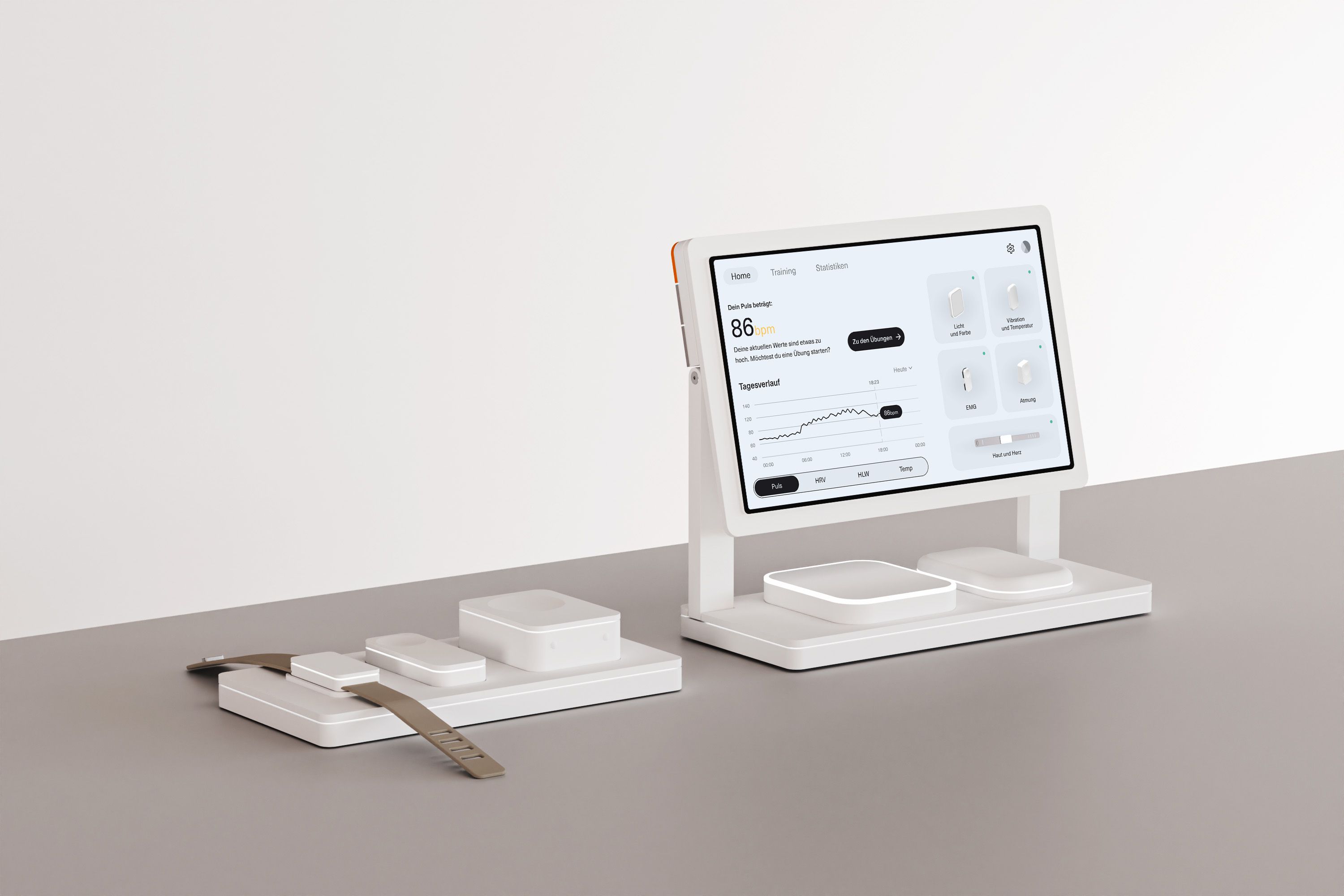
In five years, we expect to see this product on the market. Whether that's through members of our team continuing to develop it or through others who take inspiration from our work, we hope the idea lives on. This technology should become accessible to as many people as possible. Biofeedback is not only valuable for people with borderline personality disorder, it can also support people dealing with stress, anxiety, chronic pain, and many other conditions. We believe biofeedback has a big future as a normal part of healthcare and everyday life and that our project can contribute to making that future happen.