Designers
Miaonan Li
Year
2026
Category
Concept
Country
United States
Three questions to the project team
What was the particular challenge of the project from a UX point of view?
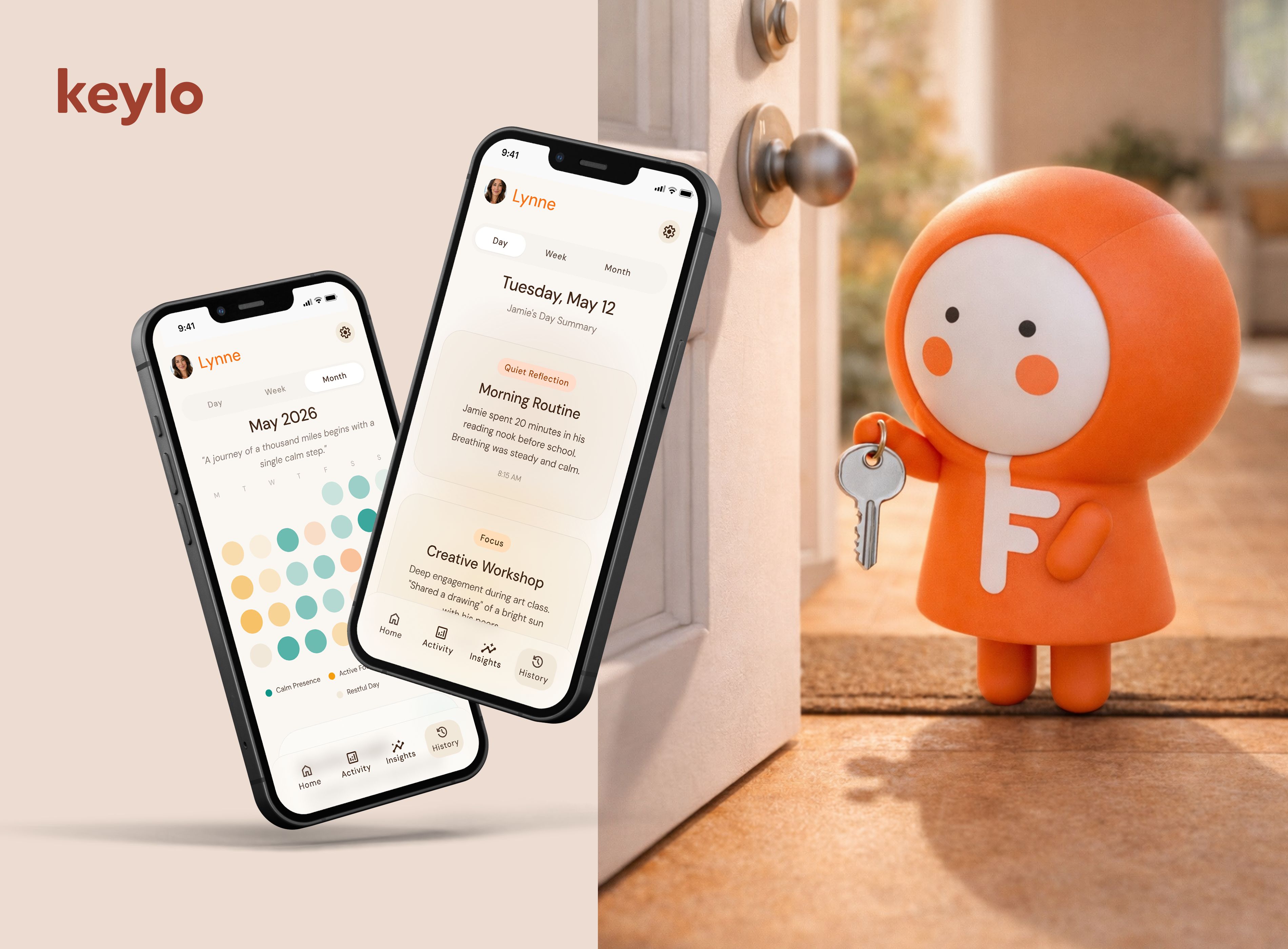
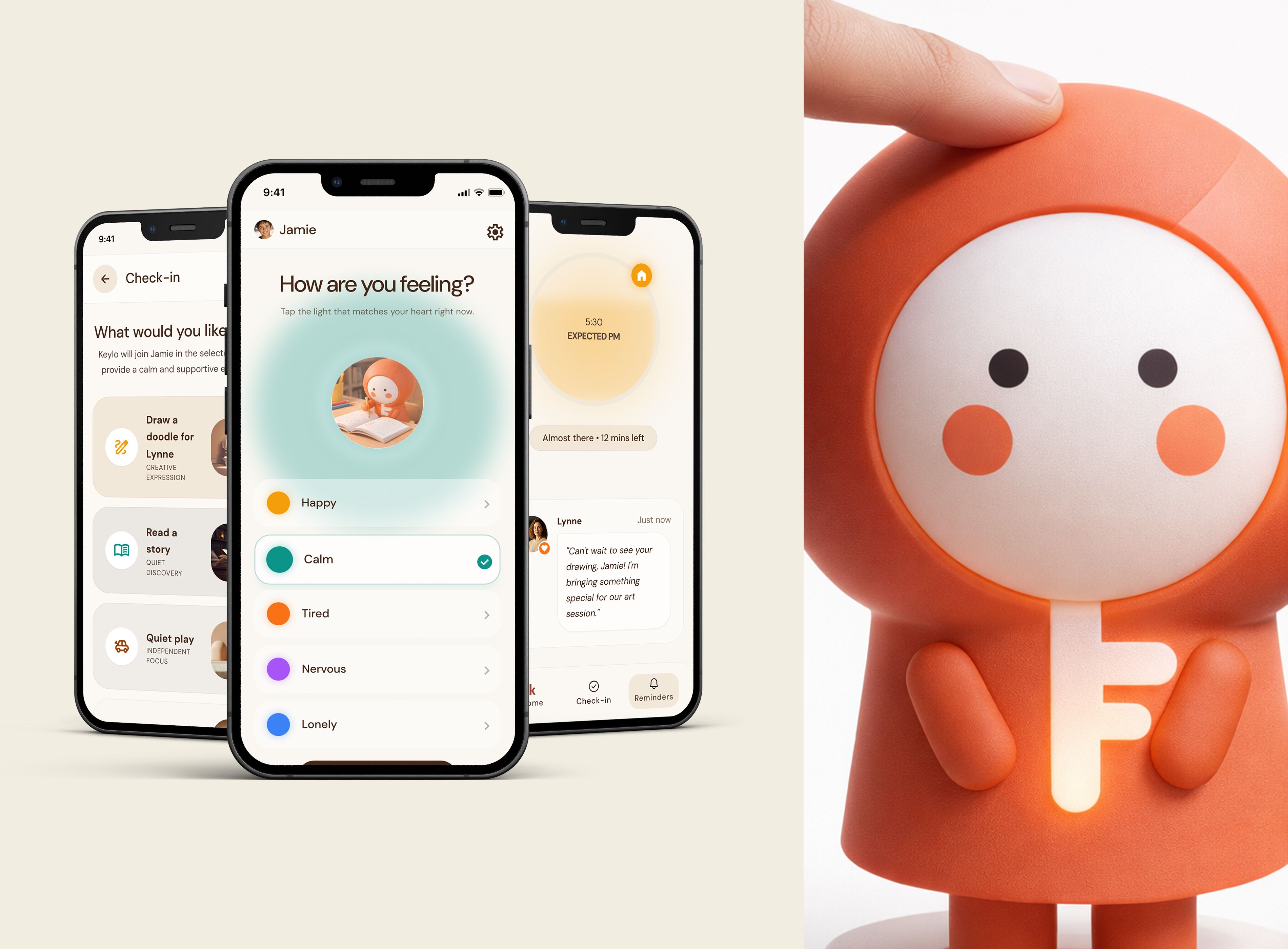
When designing for both children and parents, it is easy to assume that more information, more controls, and more notifications will create a better experience. However, our research revealed the opposite. Children wanted to feel trusted rather than monitored, while parents wanted reassurance without needing to constantly check an app. The challenge was finding the smallest set of interactions that could deliver the greatest emotional value. Every feature was carefully evaluated and simplified. I'm more focused on designing calm, lightweight experiences that fit naturally into everyday family life. So the challenge really was deciding what not to add.
What was your personal highlight in the development process? Was there an aha!-moment, was there a low point?
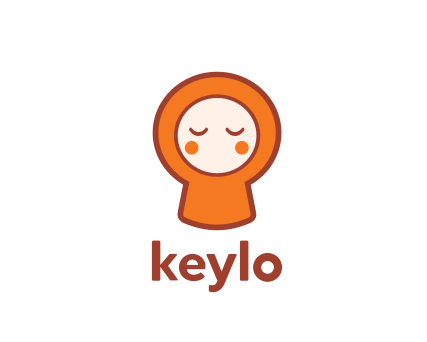
I was a latchkey kid, I know the feelings. At the beginning of the project, I focused on helping parents know when their children arrived home and what kind of activities children can do, and even on reward features. However, everything changed one day when I was interacting with a touch-sensitive lamp. The experience was incredibly simple, yet it made me feel comforted and connected. That was my “aha” moment. I realized Keylo didn't need more features. What children often need is not another app to interact with, but a small, meaningful presence that welcomes them home. From that point on, I shifted my focus from adding functionality to designing a sense of comfort, connection, and emotional support through the simplest interactions.
Where do you see yourself and the project in the next five years?
In five years, I see Keylo evolving from a concept into a trusted support system for families around the world. Beyond the device itself, I see opportunities to expand Keylo into a broader ecosystem that supports emotional wellbeing, family connection, and healthy independence during childhood. As a designer, I hope to continue exploring how technology can create meaningful human experiences. Keylo represents a belief that good design can strengthen relationships, foster trust, and address social challenges with empathy. If successful, I hope Keylo contributes to a future where children feel supported even when they are physically alone and where technology acts as a bridge between people rather than a substitute for them.