Designers
Chenyun Zeng, Shimei Qiu, Ziru Liu, Jing Ping, Shengfan He, Xudong Xing, Ying Shao
Year
2026
Category
Product
Country
United States
Design Studio / Department
Platform design team
Three questions to the project team
What was the particular challenge of the project from a UX point of view?
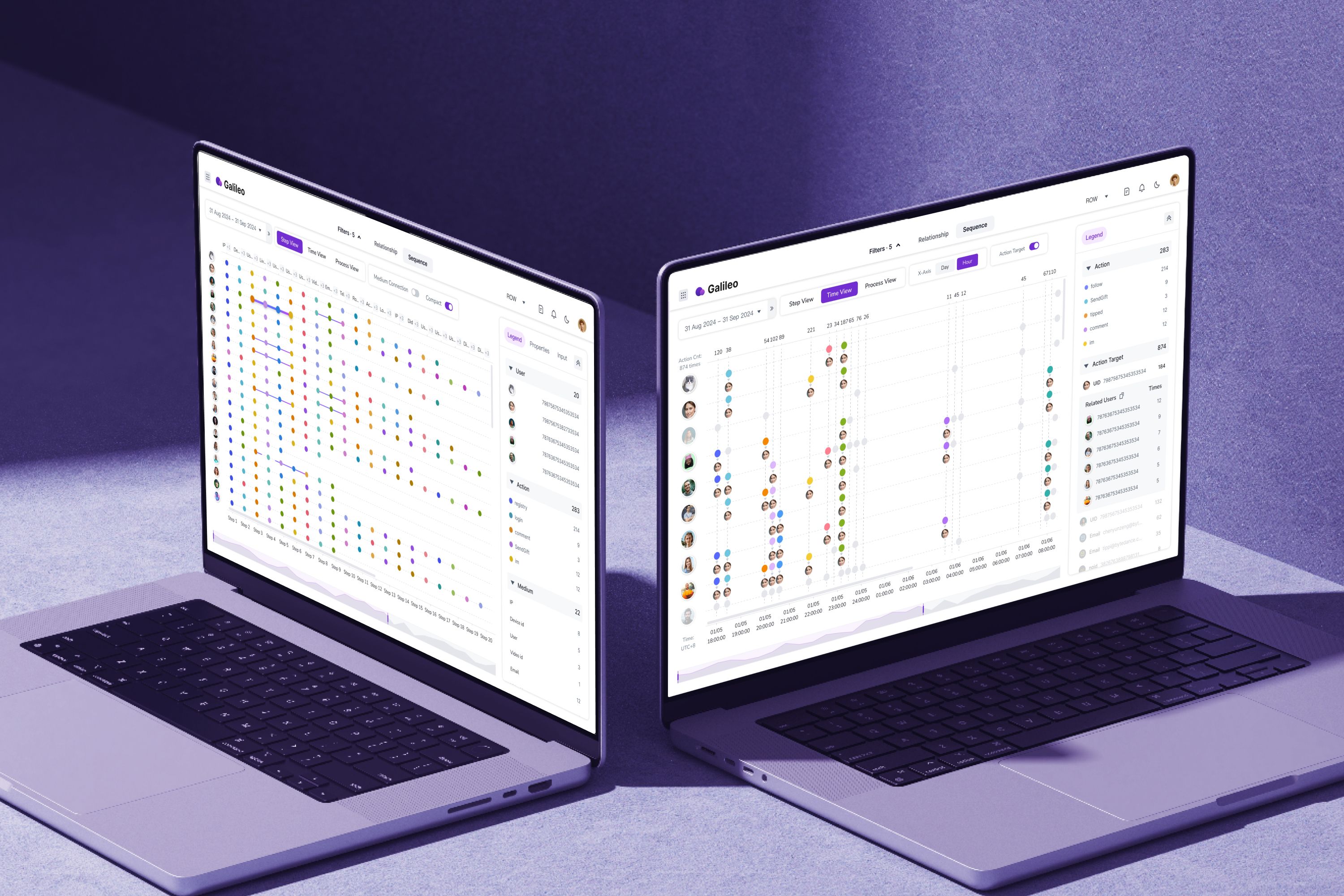
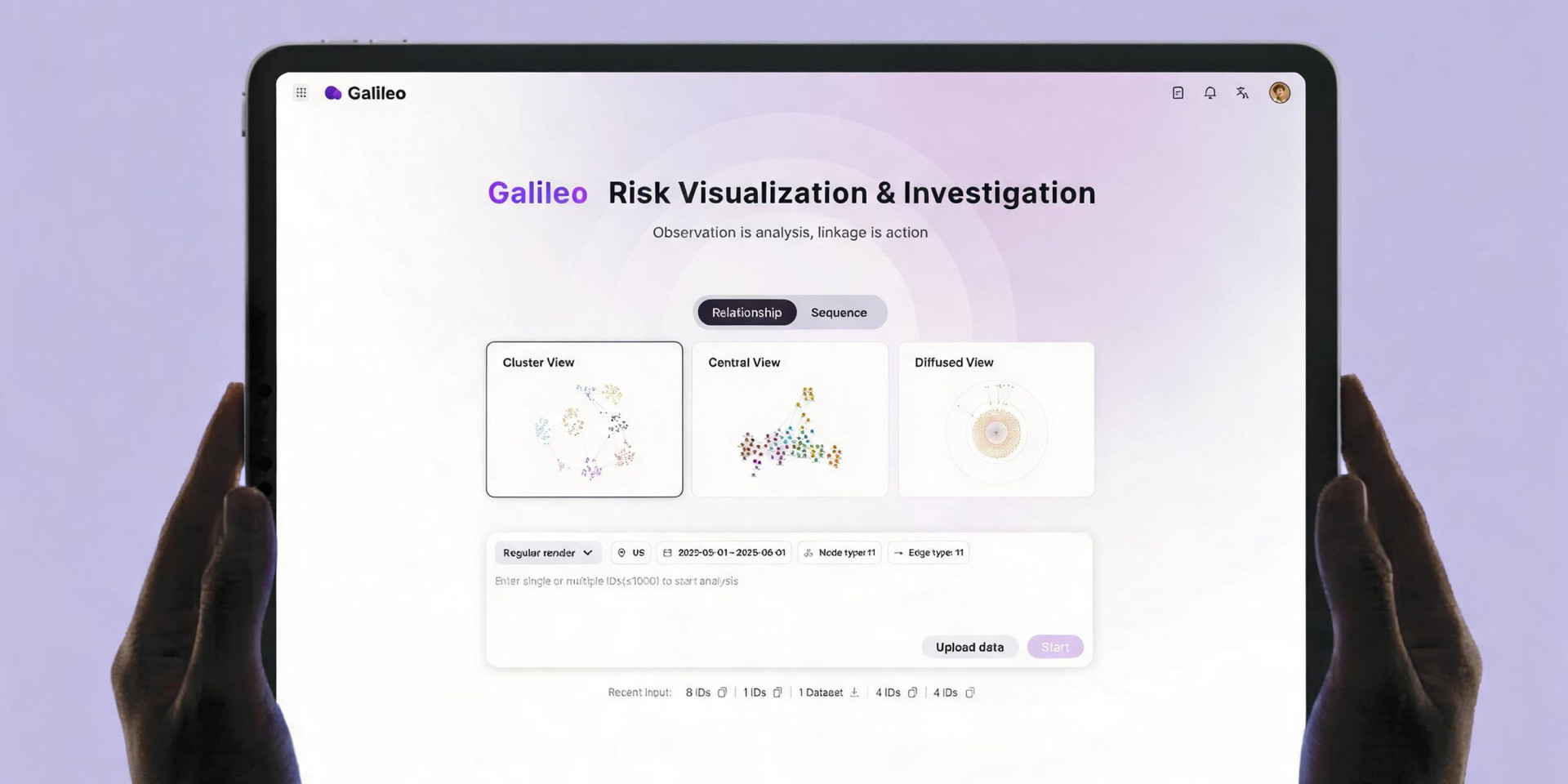
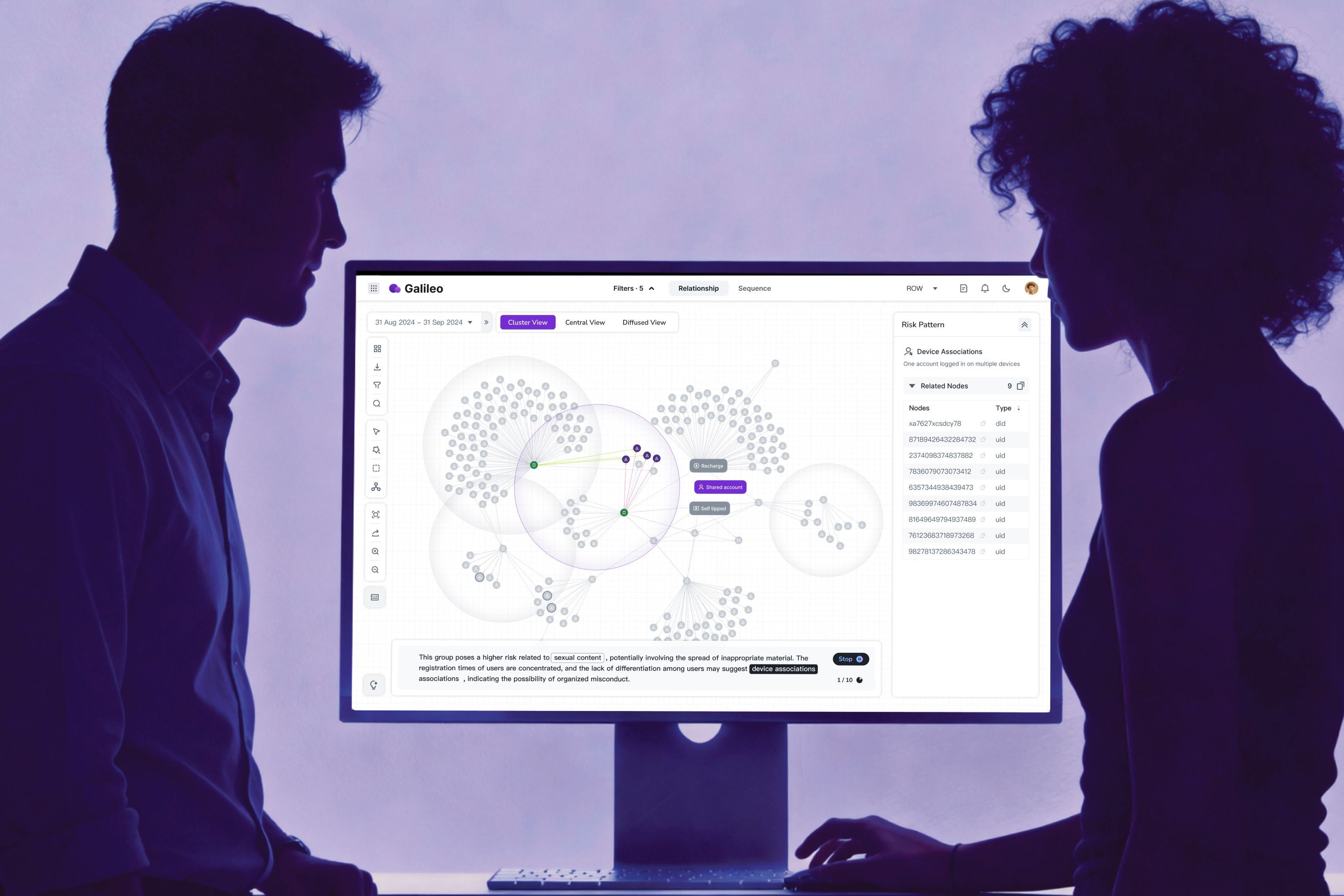
The core UX challenge was transforming highly complex, fragmented, and high-volume risk data into a system that supports fast, accurate, and explainable decision-making. Risk analysts work with massive behavioral datasets where meaningful signals are hidden within noise, making it difficult to identify coordinated criminal patterns or distinguish legitimate users from malicious actors. The challenge was not only visualization, but designing an end-to-end interaction system that enables users to move from raw data exploration to structured visual reasoning. The system also needed to remain clear at scale, reduce cognitive load, and ensure that every analytical output is interpretable and trustworthy in high-stakes environments.
What was your personal highlight in the development process? Was there an aha!-moment, was there a low point?
A key "aha moment" came when we realized analysts were not lacking data or analytical power, but the ability to perceive relationships across entities, time, and behavior. This shifted our focus from static dashboards to a spatiotemporal interaction system. Another breakthrough was understanding that explanation is as important as detection, leading to annotation-based reasoning and traceable decision paths. A low point was early prototypes being too complex, with too many signals displayed at once, increasing cognitive burden. This led to a redesign toward progressive disclosure, focused attention, and interaction patterns such as filtering, expansion, and drill-down, making the system usable at scale.
Where do you see yourself and the project in the next five years?
Galileo is envisioned as a scalable decision intelligence platform for trust and safety across global digital ecosystems. It will extend beyond cybercrime analysis into content integrity, fraud detection, and platform governance. The system will continue to evolve its visualization semantics and AI-assisted reasoning to support more proactive, predictive, and explainable risk analysis. We also see it becoming a collaborative intelligence environment where human analysts and AI co-construct understanding through transparent visual interactions. Ultimately, Galileo aims to set a new standard for accountable AI systems in high-stakes environments, embedding interpretability, responsibility, and transparency into the core of design.