Designers
Rachel Ng
Year
2026
Category
New Talent
Country
United Kingdom
School
Loughborough University
Teacher
Panagiotis Balatsoukas
Three questions to the project team
What was the particular challenge of the project from a UX point of view?
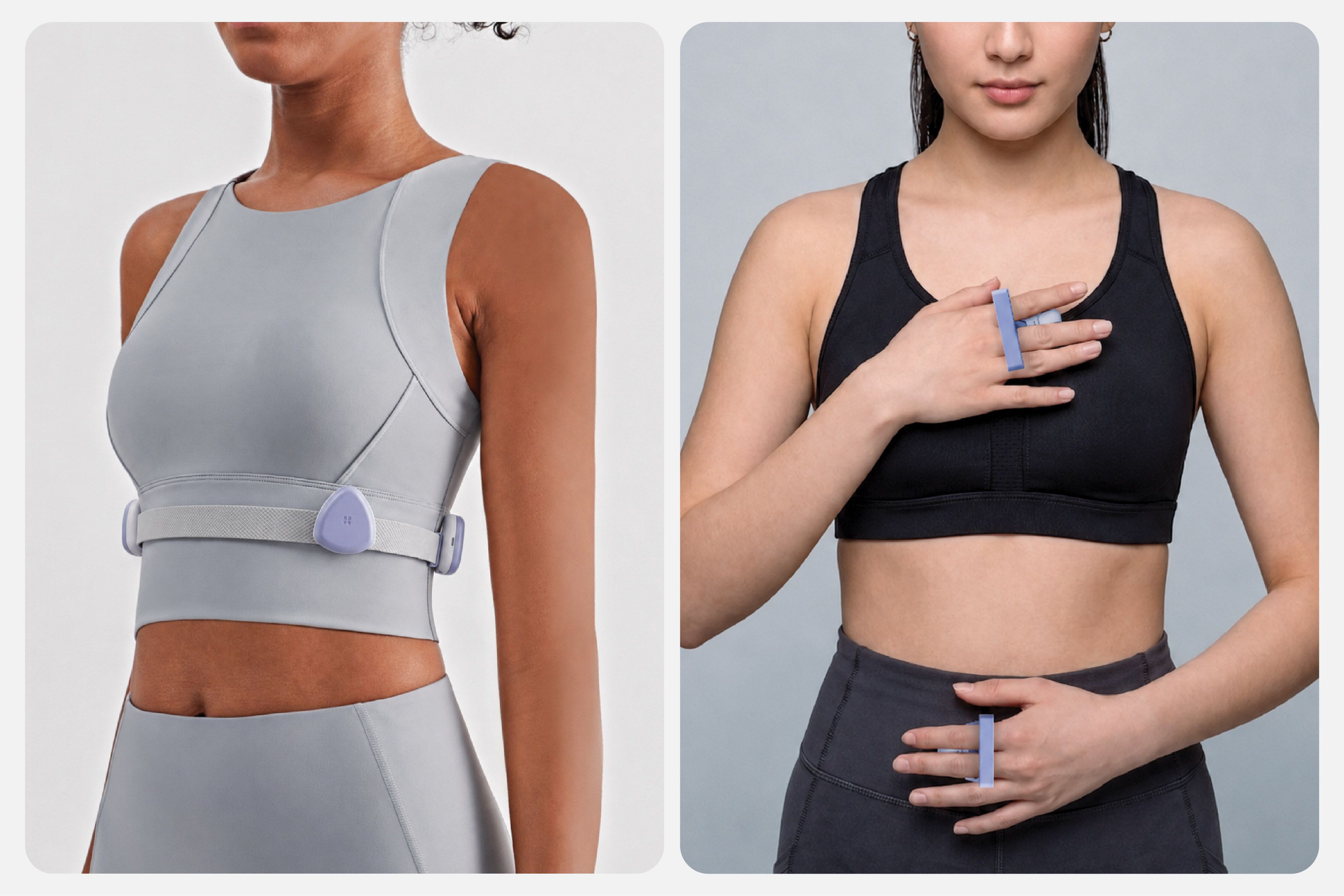
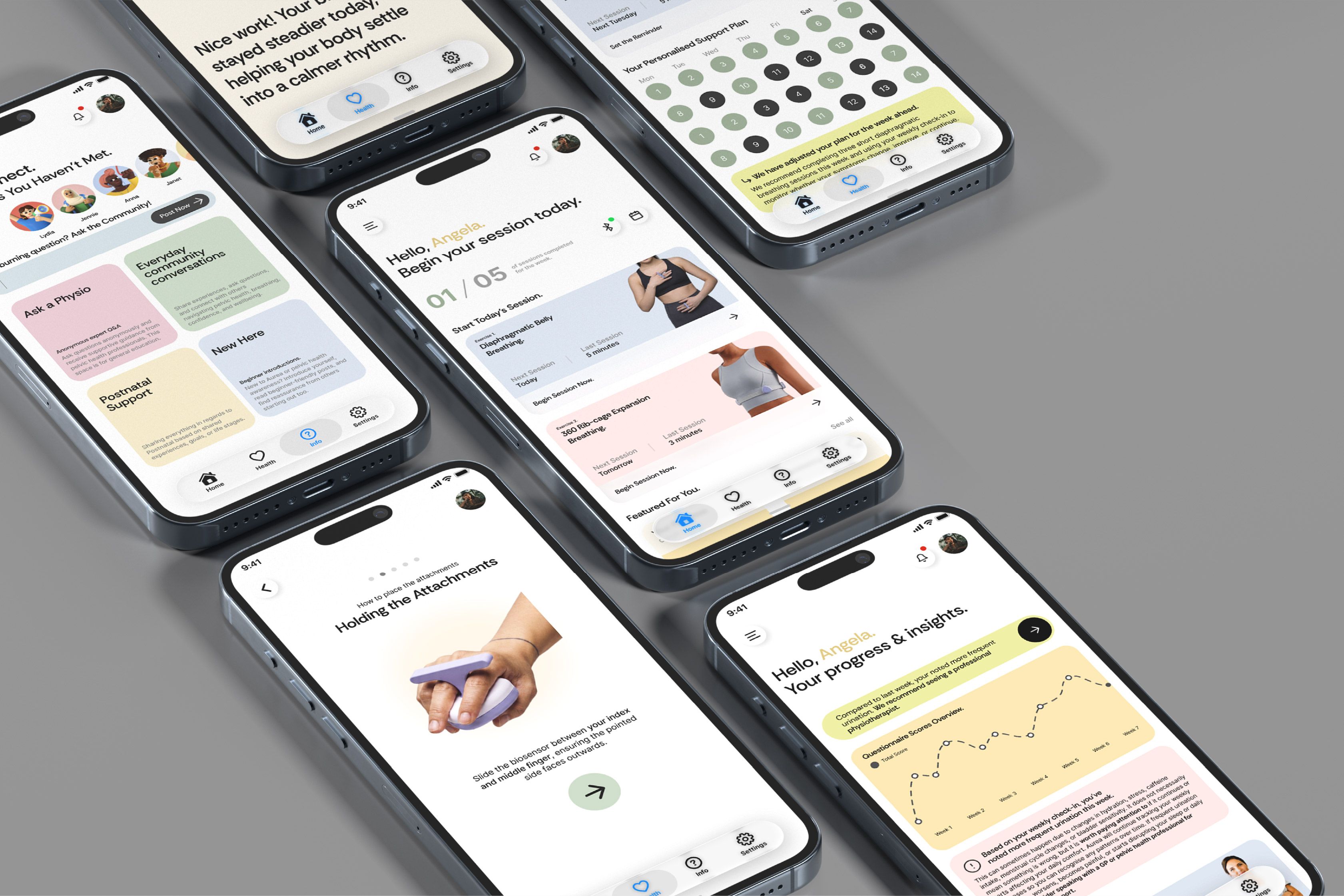
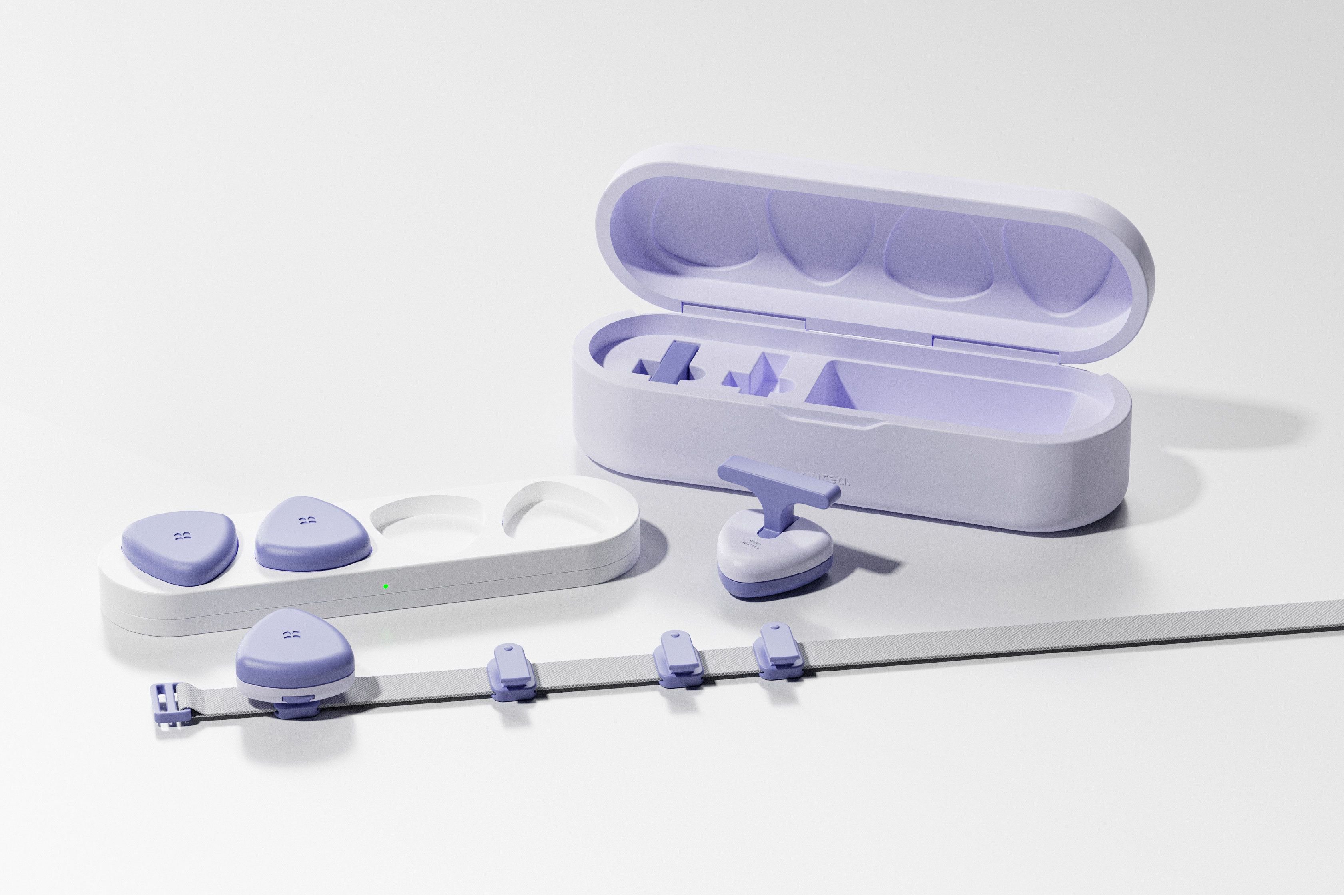
Designing Aurea meant creating clarity around a sensitive and often under-discussed area of women’s health. A key UX challenge was making pelvic floor care feel approachable without becoming overly clinical, awkward or overwhelming. The system had to guide users through sensor placement, breathing coordination and real-time feedback in a way that felt simple, discreet and reassuring.
Another challenge was translating complex body mechanics, such as pressure management, chest-dominant breathing and 360° rib expansion, into an experience users could easily understand and follow. The app, biosensors and haptic feedback had to work together to reduce confusion, build confidence and help users develop awareness of their body over time.
What was your personal highlight in the development process? Was there an aha!-moment, was there a low point?
The most impactful moment was discovering the connection between the diaphragm and the pelvic floor through research and interviews with pelvic floor physiotherapists. It made the design opportunity much clearer: many existing solutions were invasive or symptom-led, but this insight revealed a gentler, non-invasive route through breathing coordination and pressure management. A major challenge was translating this complex body relationship into an experience that felt simple, supportive and not cognitively demanding. Through user testing, I used the NASA Task Load Index to understand mental load and refine the app flow, sensor guidance and feedback, helping users engage with Aurea more confidently.
Where do you see yourself and the project in the next five years?
In five years, Aurea could develop into a clinically informed pelvic health system used alongside physiotherapy, pregnancy preparation support and early education. I would like to see it further tested with a wider range of women to refine the sensor accuracy, app guidance and professional support pathway. My hope is that Aurea can help make pelvic floor care more proactive, non-invasive and normalised. Even small improvements in awareness and pressure management could have a meaningful impact on women’s long-term wellbeing. For me, the project has shown how design can make sensitive health topics feel more approachable, and it motivates me to keep creating work that supports people with care, clarity and empathy.