Designers
Yizhen Chen
Year
2026
Category
Product
Country
United States
Design Studio / Department
Platform Experience Design
Three questions to the project team
What was the particular challenge of the project from a UX point of view?
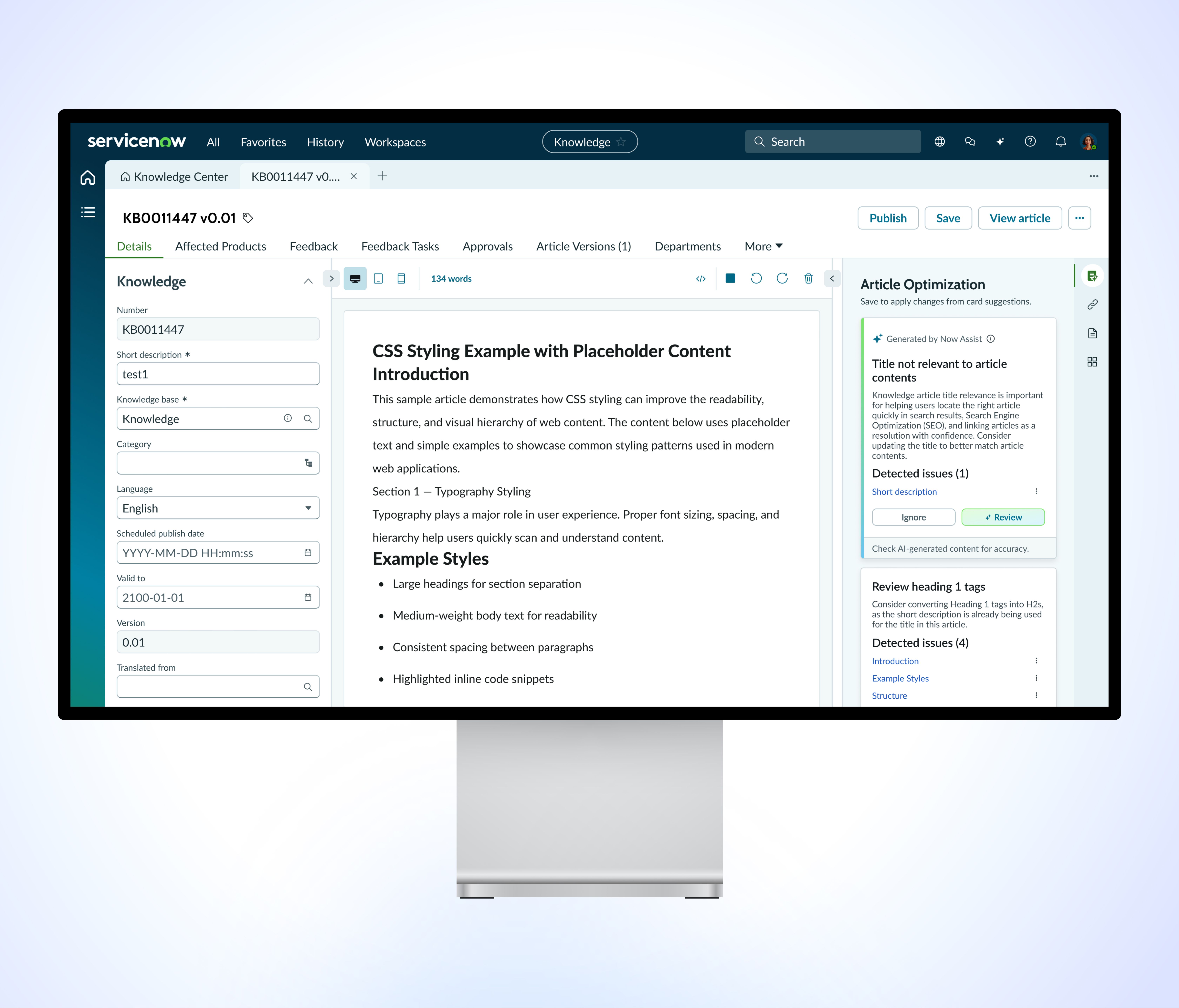
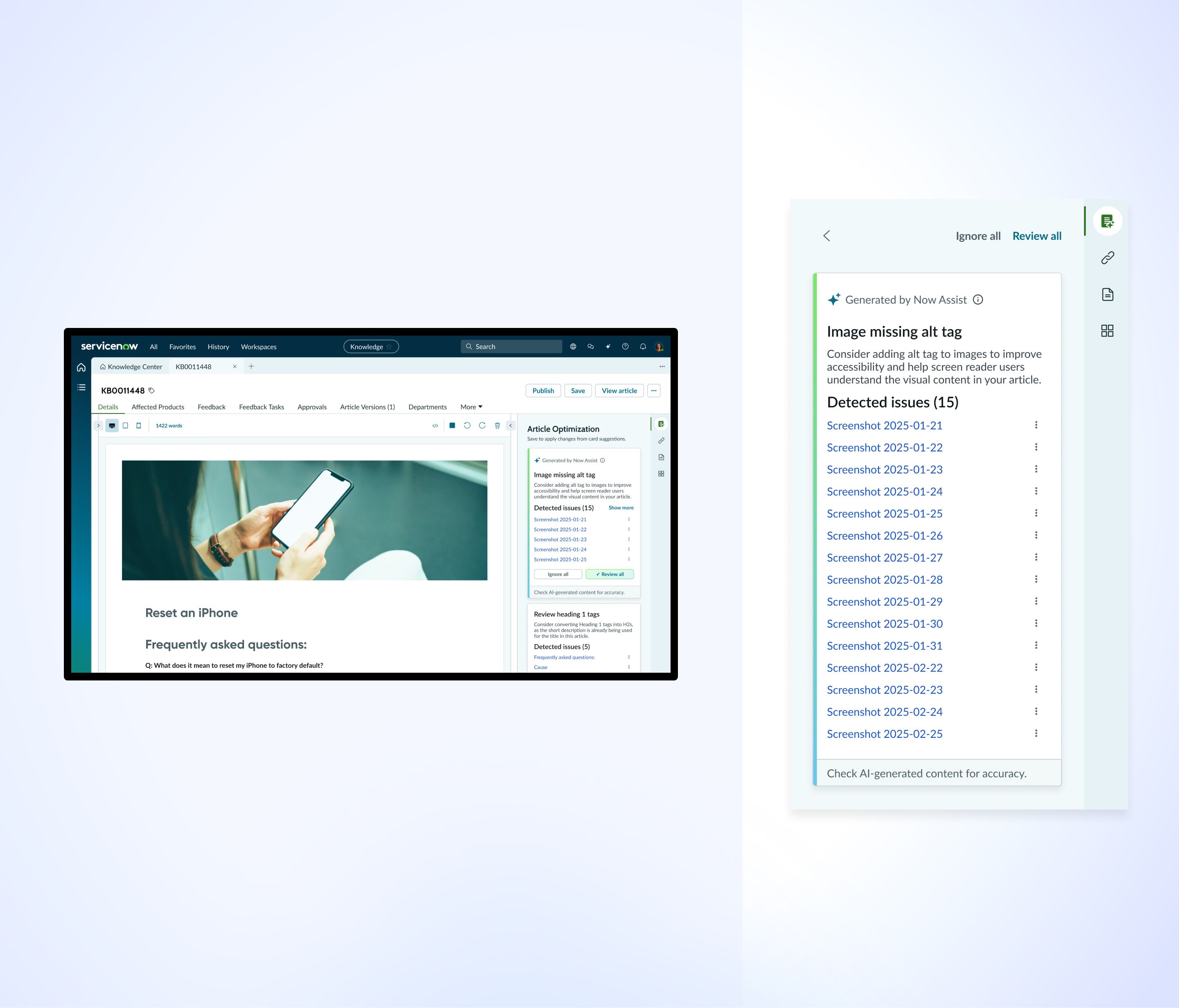
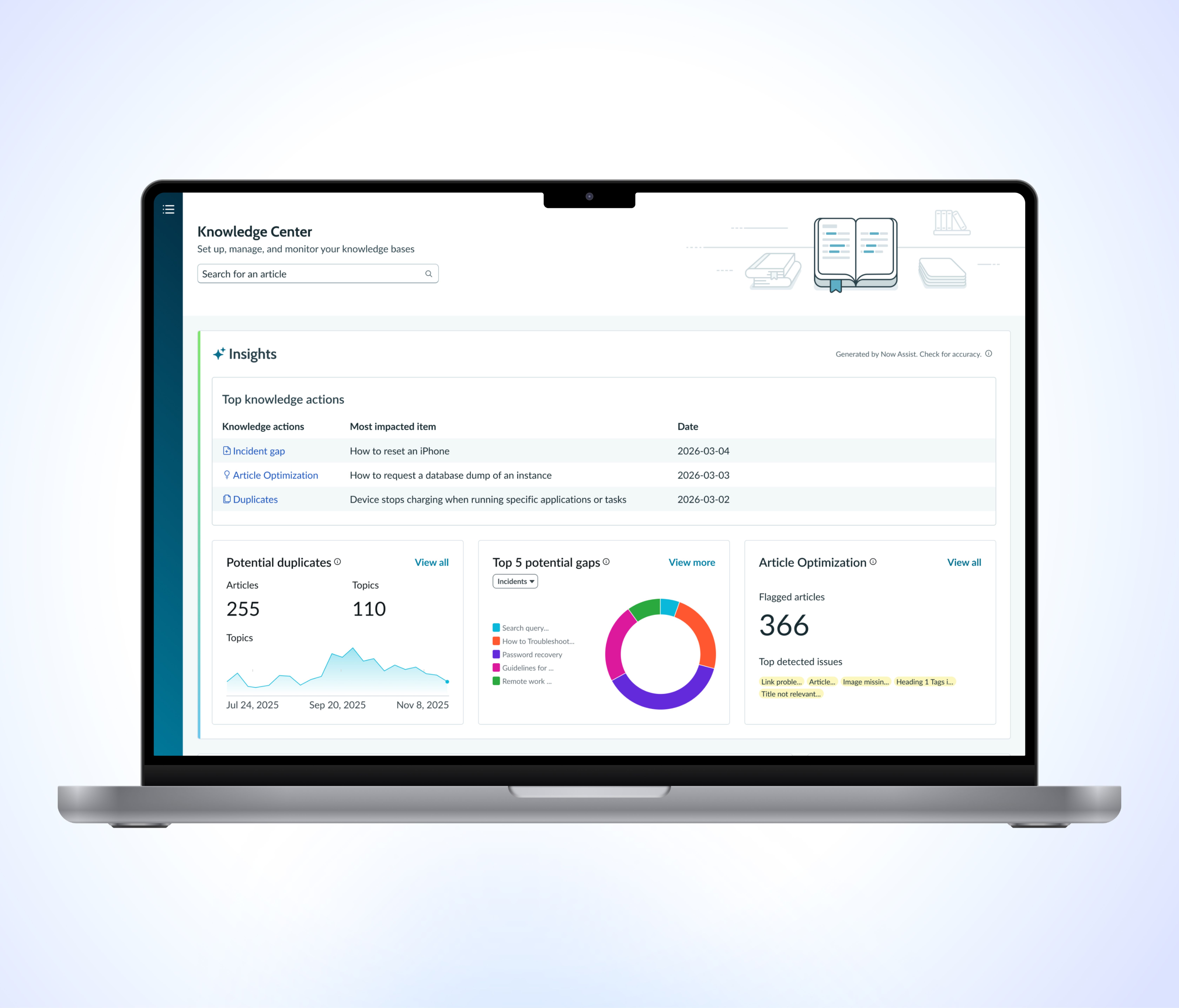
The main UX challenge was turning complex quality signals into guidance that authors could trust and act on without disrupting their writing flow. Knowledge authors are often subject-matter experts, not content strategists, so the experience needed to explain what was wrong, why it mattered, and what change would improve the article. We also had to balance enterprise governance with author control: recommendations needed to feel helpful and transparent, not like a black box or an extra review burden. Designing the recommendation cards, preview states, and apply actions required careful attention to clarity, timing, and trust.
What was your personal highlight in the development process? Was there an aha!-moment, was there a low point?
My personal highlight was realizing that the core experience was not just "finding issues," but helping authors understand quality in the moment they could still improve it. The aha moment came when we shifted the design from a passive audit model to contextual recommendation cards inside the editing flow. That made the system feel less like a compliance checklist and more like a supportive writing partner. A low point was balancing many issue types—structure, accessibility, searchability, and freshness—without overwhelming users. It pushed me to simplify the interaction model and focus each card on one clear decision.
Where do you see yourself and the project in the next five years?
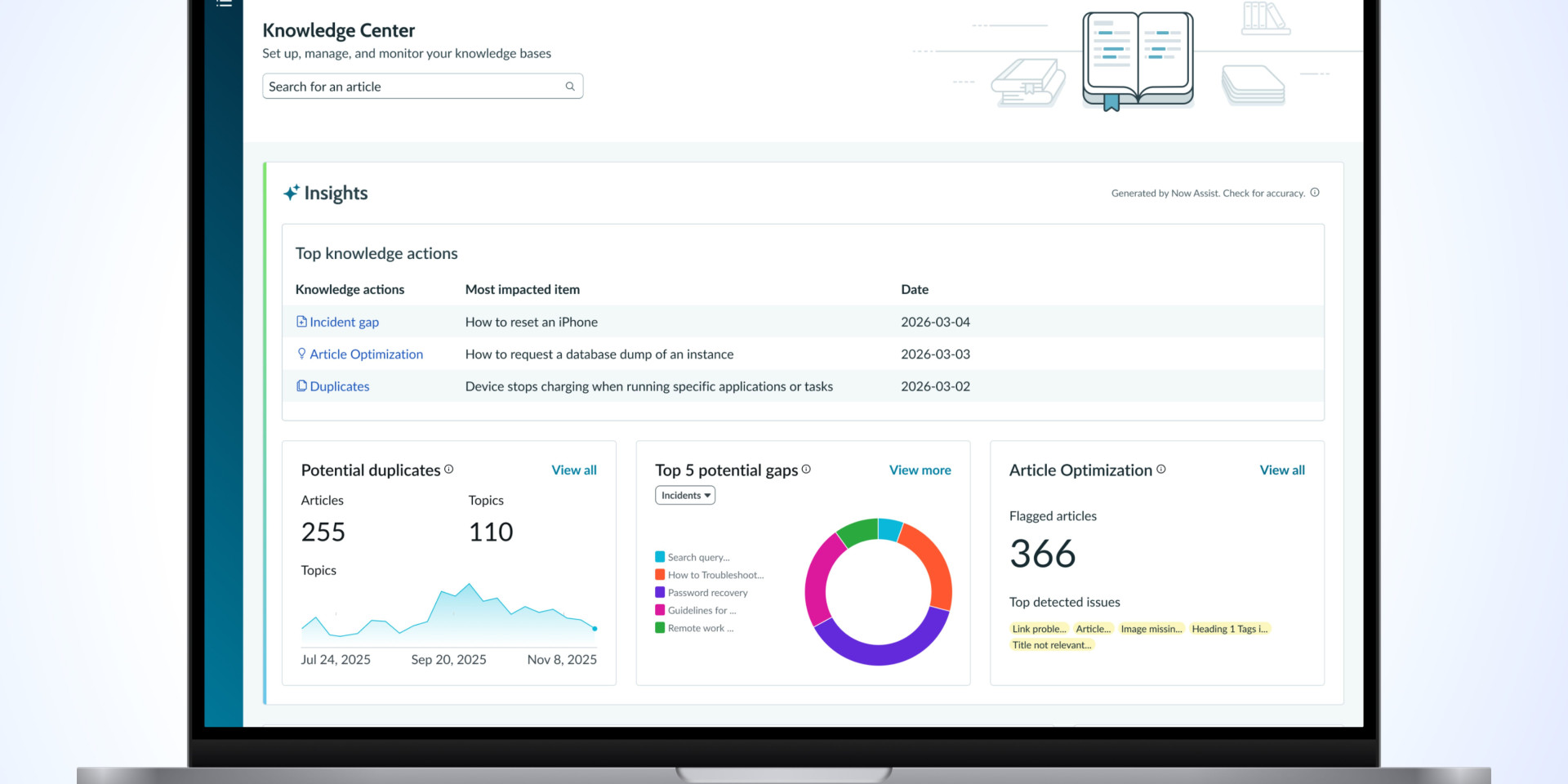
In the next five years, I see Article Optimization evolving from an editing feature into a broader quality management layer for enterprise knowledge. I hope it can help organizations maintain more accurate, accessible, and trustworthy content across large knowledge bases, while giving authors clear guidance instead of more manual review work. For myself, I want to continue designing enterprise systems that make complex workflows easier to understand and act on. This project strengthened my interest in trust, explainability, and human-centered automation in workplace products.